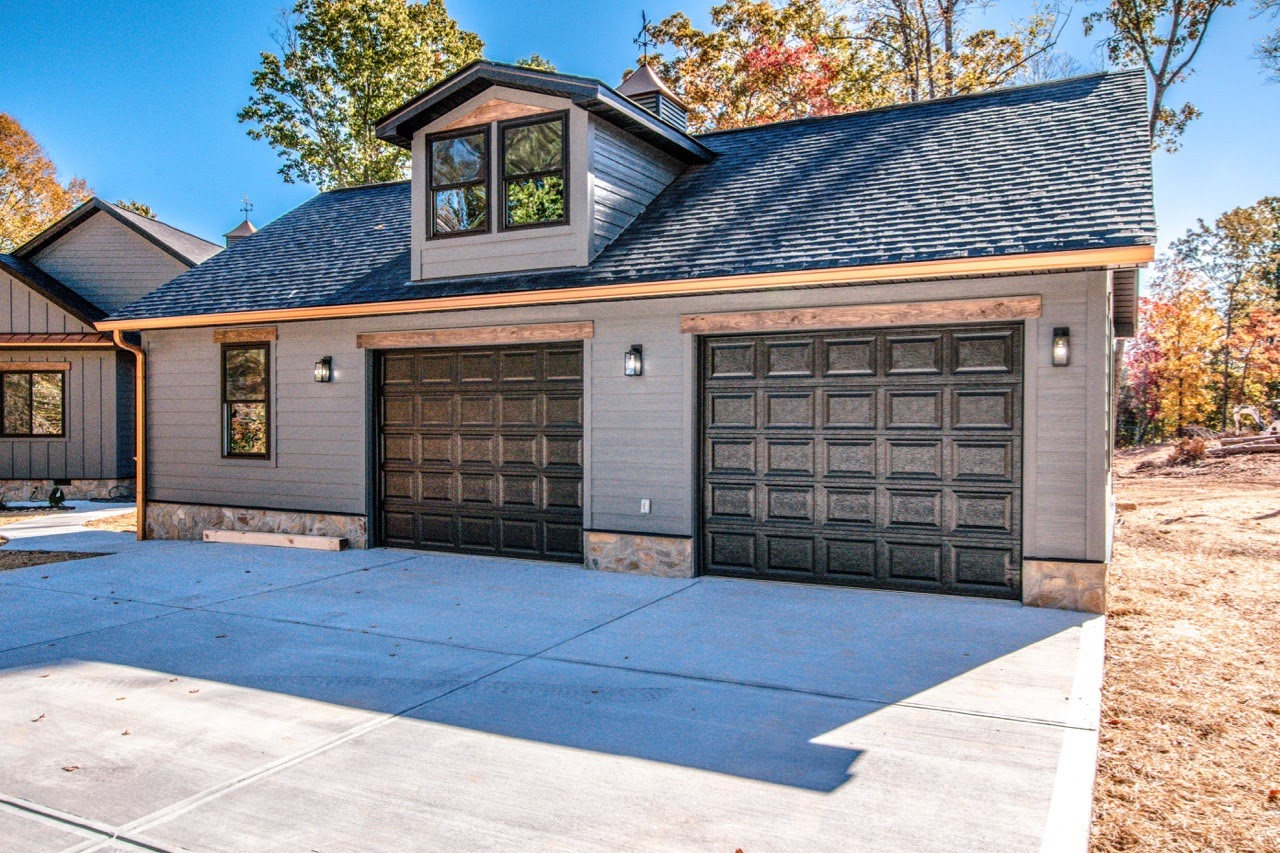
Rethinking Sustainability: Integrative Strategies for Eco-Innovative Buildings May 28, 2026
The first step towards achieving eco-innovative buildings is to adopt a holistic approach to design and construction. This means considering the environmental impact at every stage of the construction process. From selecting the location of the building site to choosing materials, each decision influences sustainability. Opting for materials with a lower environmental footprint, such as recycled steel or reclaimed wood, is one straightforward way to enhance a building's eco-friendliness. Incorporating energy-efficient systems, like solar panels or geothermal heating, can further reduce the building's carbon footprint.
Another critical factor is the integration of smart building technologies. With the rise of the Internet of Things (IoT), construction companies have unprecedented opportunities to incorporate technologies that enhance energy efficiency. Smart meters and energy management systems can monitor and adjust energy usage, ensuring that resources are not wasted. Furthermore, automated systems can control lighting, heating, and cooling based on occupancy, further optimizing efficiency. These technologies not only decrease energy consumption but also lower operating costs, making them a pragmatic choice for building owners.
Water conservation is another key consideration in sustainable construction. Innovative plumbing fixtures and systems can significantly reduce water usage in buildings. Implementing rainwater harvesting systems and using greywater for non-potable applications can further enhance a building’s sustainability profile. These measures not only conserve valuable resources but also contribute to significant savings on water bills.
The role of design in creating sustainable buildings should not be overlooked. Effective site planning and building orientation can maximize natural light and ventilation, reducing the need for artificial lighting and mechanical climate control systems. Green roofs and walls can insulate buildings, reducing the need for heating or cooling while also providing additional green space. These design elements contribute to a building’s aesthetic appeal while promoting sustainability.
Community engagement is vital to the success of any sustainability strategy. By involving local communities and stakeholders in the planning process, construction companies can ensure that new buildings meet the needs of those who will use them. This participatory approach can also uncover innovative ideas for sustainability that may not have been considered otherwise.
In conclusion, the path to eco-innovative buildings lies in adopting integrative strategies that consider every aspect of the construction process. For Extreme Construction Services and similar organizations, this means committing to sustainable materials, energy-efficient systems, water conservation techniques, intelligent design, and active community engagement. By prioritizing these elements, construction companies can lead the way in developing sustainable infrastructures that look beyond immediate gains to ensure long-term benefits for both the environment and society. As more businesses realize the importance of these strategies, the more our built environment will transform into a healthier, more sustainable one.